Our Materiality
Materiality Map
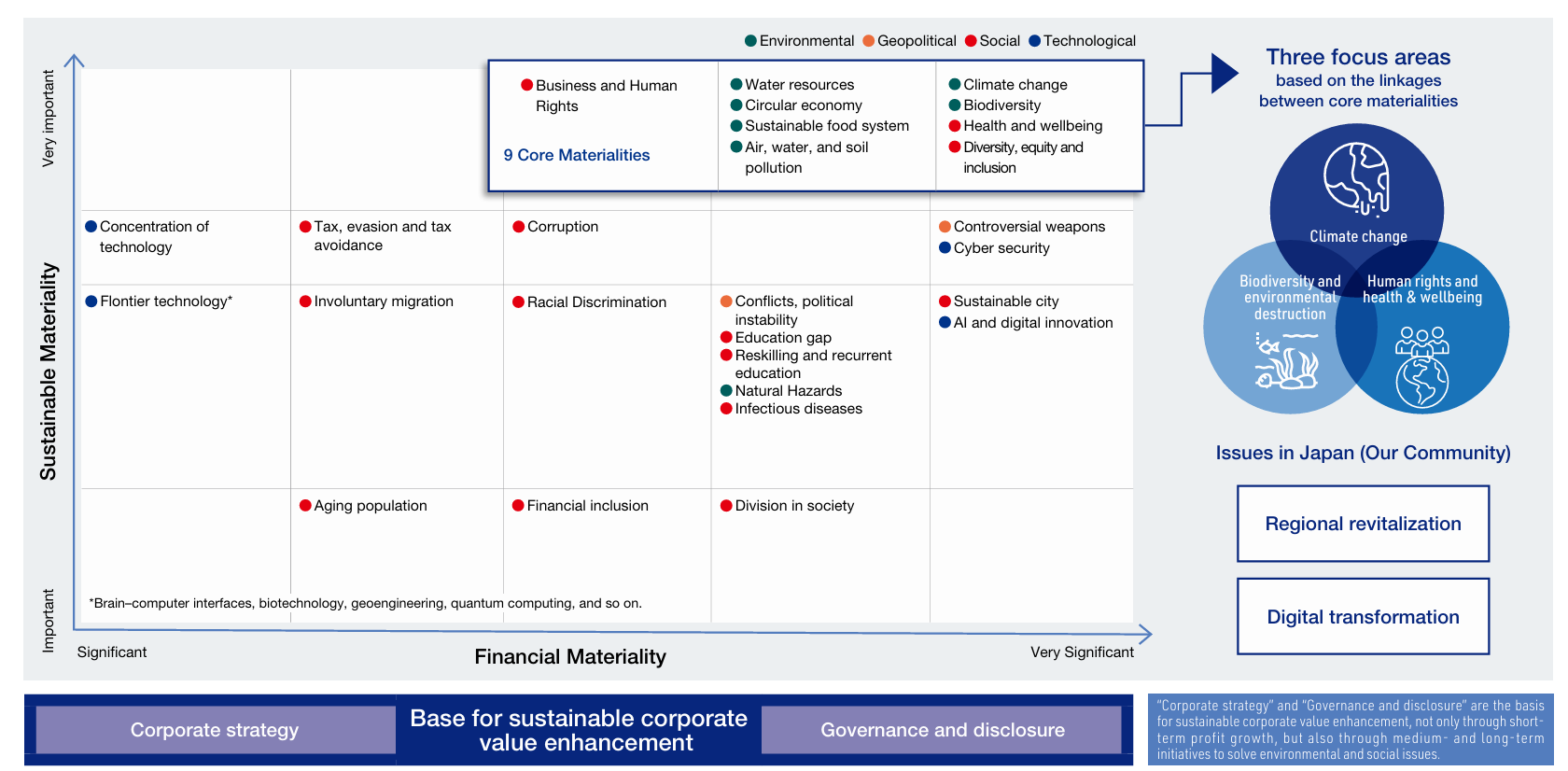
We apply a dual‑axis approach (double materiality), consisting of “Sustainable Materiality,” which reflects the level of concern regarding environmental and social issues in global society, and “Financial Materiality,” which represents the magnitude of the economic impact arising from corporate activities.
At present, we have identified the following nine issues as our core materialities: Climate change; Biodiversity; Health and wellbeing; Diversity, equity and inclusion; Water resources; Circular economy; Sustainable food system; Air, water and soil pollution; and Business and Human Rights.
Focus areas
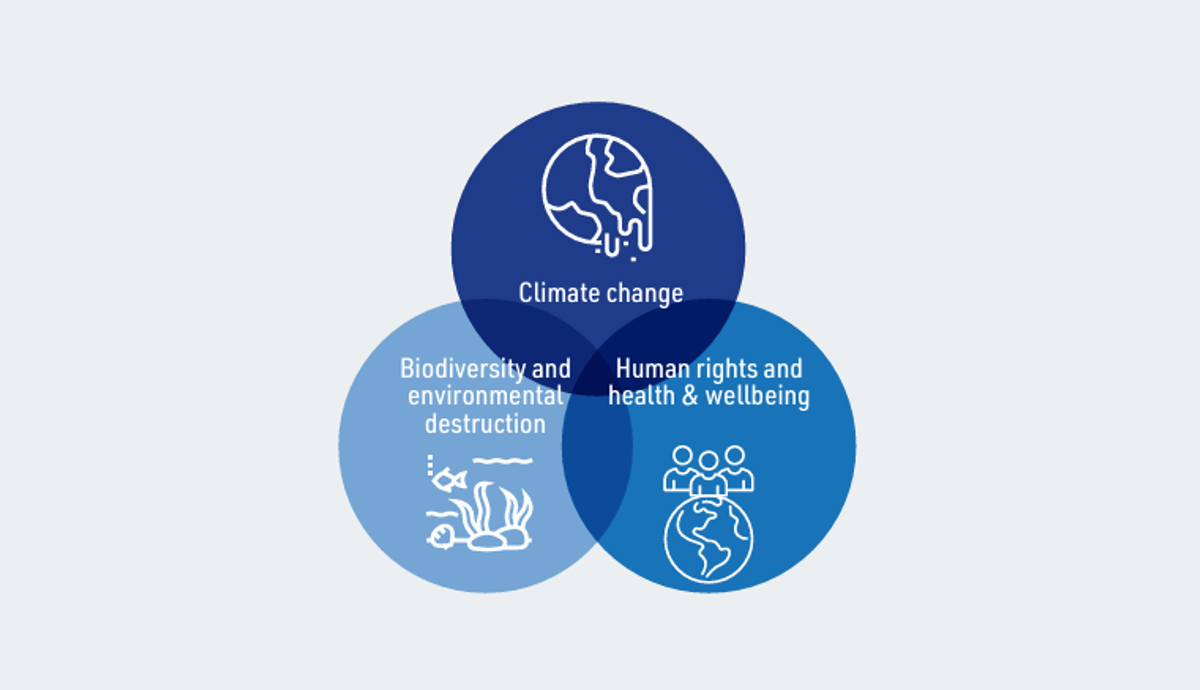
Taking into account the interrelationships among the nine core material issues identified in our materiality map, we have designated three focus areas—Climate change; Biodiversity and environmental destruction; and Human rights and health & wellbeing. For each focus area, we have established specific points of attention and KPIs and are advancing our initiatives accordingly.
Climate Change
Effectively Advancing the Pathway to Decarbonisation through the Power of Investment and Dialogue
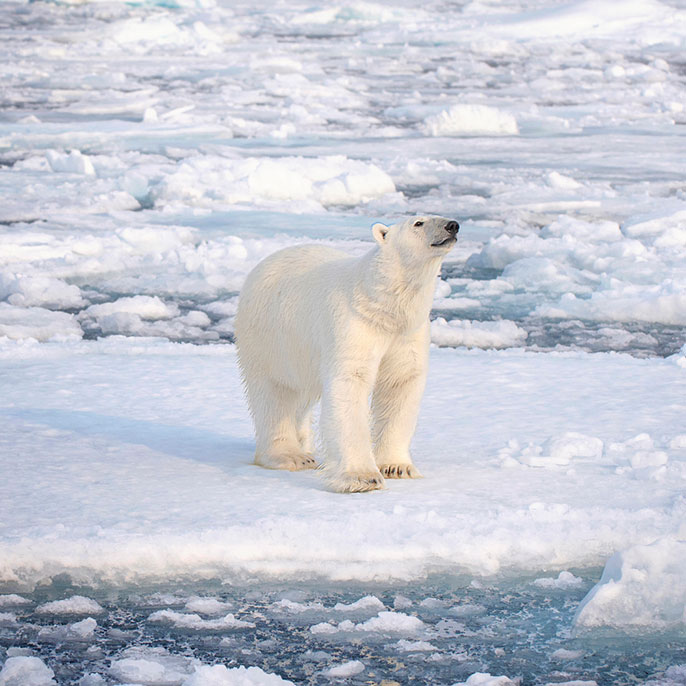
Through investment management and stewardship activities, we support the transition to a net‑zero society. By leveraging tools such as Net Zero Investment Framework (NZIF) alignment assessments and carbon intensity analysis, we identify transition and physical risks while strengthening engagement with companies in key sectors. In collaboration with international initiatives, we seek to balance our contribution to achieving net zero by 2050 with the enhancement of medium‑ to long‑term corporate value.
Biodiversity and Environmental Destruction
Halting Biodiversity Loss by 2030 and Putting Nature on a Path to Recovery for Coexistence
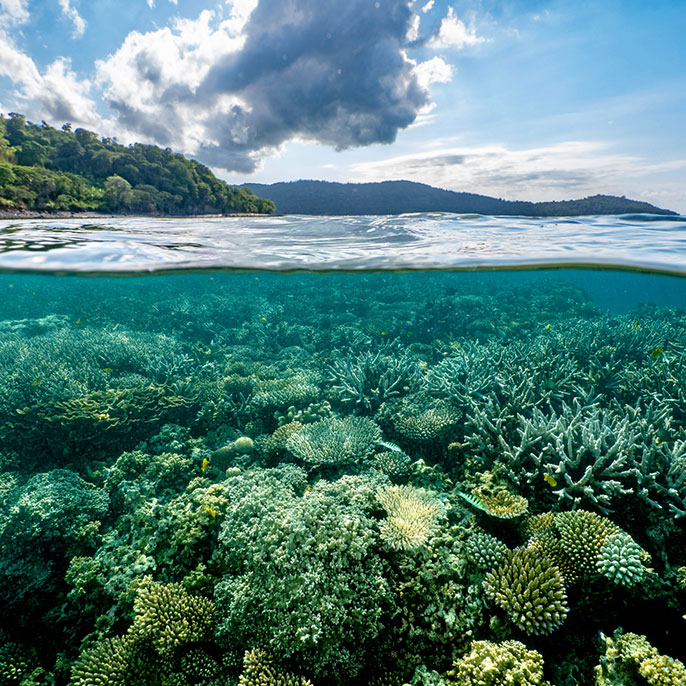
Our economic activities are highly dependent on natural capital and ecosystem services, and the challenges of climate change and biodiversity loss are closely interconnected, requiring an integrated response. We carefully assess the dependencies, impacts, and opportunities that our assets under management have in relation to natural capital, and through our investment activities and dialogue, we support corporate initiatives aimed at the conservation and restoration of biodiversity.
Human Rights and Health & Wellbeing
Respect for Human Rights as an Essential Foundation of All Corporate Activities
Respect for human rights is an essential foundation of all corporate activities. Based on international standards such as the United Nations Guiding Principles on Business and Human Rights, we expect investee companies to address and respect human rights across their entire value chains. From this perspective, where serious violations—such as child labour, forced labour, or discrimination—are identified, we encourage improvement through investment management, engagement, and the exercise of voting rights.
Supporting the Realisation of Effective Human Capital Management
Human capital is a driving force behind companies’ sustainable growth and the enhancement of medium‑ to long‑term corporate value. We believe that organisational creativity and competitiveness are strengthened when employees are physically and mentally healthy, diversity is respected, and individuals are able to fully demonstrate their capabilities. Accordingly, we carefully assess companies’ initiatives to promote diversity (including women’s participation), establish appropriate working conditions, and ensure occupational health and safety. Through investment activities, engagement, and the exercise of voting rights, we support continuous improvement in these areas.